Kennel Audit Guide · Health Verification
How to Audit a Maltese Kennel's Hardware & Avoid 7-Day Sick Puppies
Learn how to inspect a breeding kennel’s isolation suites, diagnostic equipment, vaccination records, and unedited live videos to avoid 7-day sick puppies.
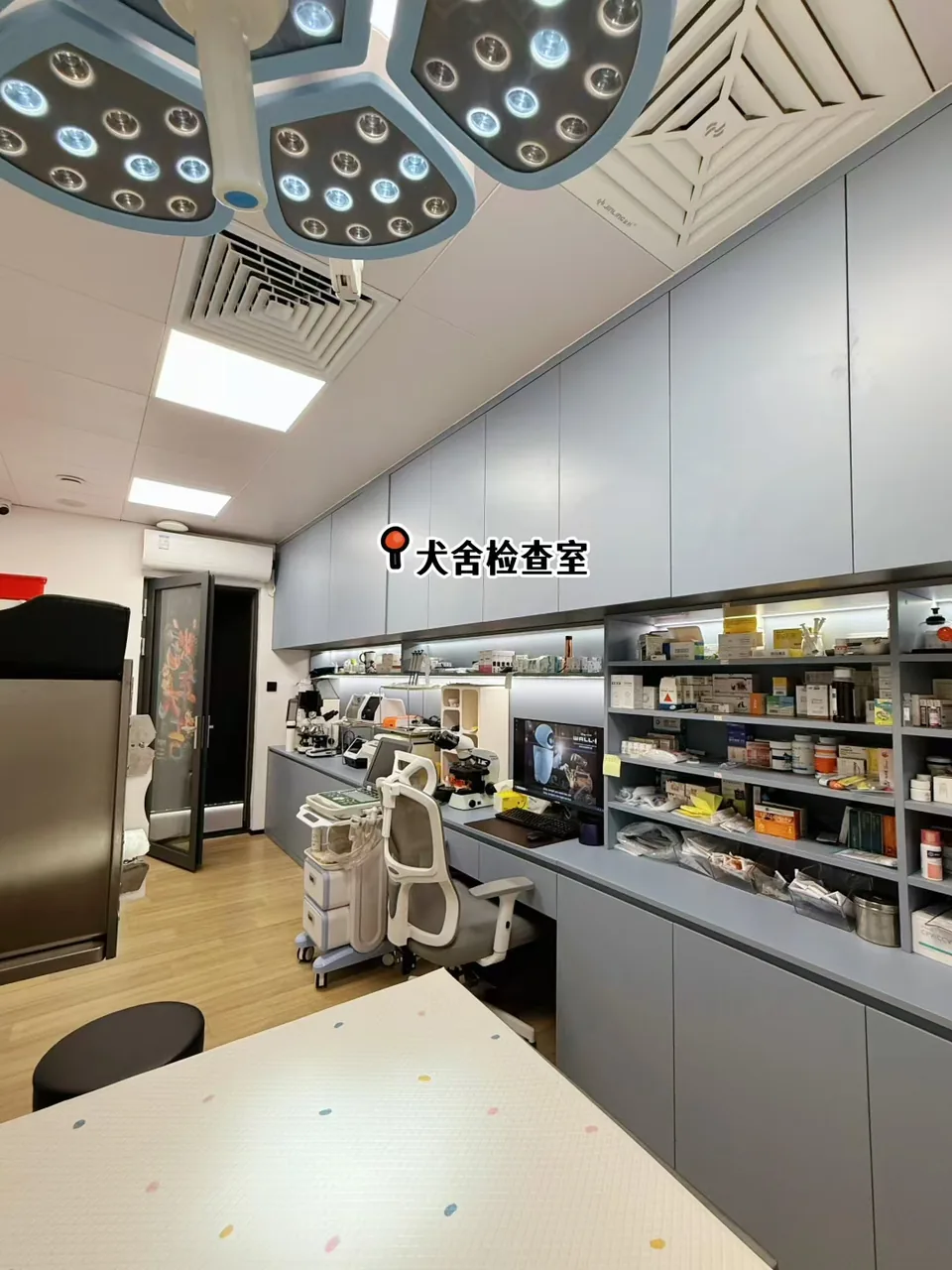
When families in Kuala Lumpur, Selangor, Penang, or Johor Bahru evaluate a Maltese breeder—especially when puppies come from an established overseas breeding facility—glamorous studio portraits mean very little on their own. Avoiding a “7-day sick puppy” carrying incubating parvovirus or distemper starts by auditing five concrete hardware and verification signals before you commit to anything.
Why Studio Portraits Cannot Prove Kennel Biosecurity
Canine Parvovirus and Canine Distemper carry a typical 5 to 14 day incubation window. A backyard reseller or multi-source broker can easily photograph a lively puppy for 30 seconds in a carpeted living room while hiding crowded cages, poor ventilation, and mixed-litter disease exposure behind closed doors.
Instead of relying on verbal promises, ask to see the actual physical facility zones where puppies are born, weaned, bathed, and screened.
5 Hardware Signals of a Serious Cooperative Breeding Base
- In-House Diagnostic & Screening Room: Look for dedicated clinical lighting, microscopy, and ultrasound screening equipment—not just a single cage corner. Pre-travel lab screening allows caretakers to spot early gut parasites, skin flare-ups, or hydration dips before any puppy leaves the campus.
- Closed-Door Isolation Room: Healthy breeding campuses strictly separate new arrivals, expectant mothers, month-old weaning litters, and observation cases. A dedicated air-conditioned isolation room with stainless enclosures prevents cross-infection across cohorts.
- Mechanical Fresh-Air Exchange & Air Purification: High-density indoor kennels without mechanical air circulation accumulate ammonia and airborne respiratory droplets. Commercial fresh-air ducting and medical-grade floor purifiers protect delicate toy-breed airways.
- Dedicated Wet/Dry Bathing & 24/7 Care Capacity: White Maltese coats require frequent drying after sanitation checks. Separate wet bathing tubs, low-noise drying cabinets, and dedicated grooming specialists keep toe pads, bellies, and eye areas dry so fungal skin spots and yeast tear staining do not take hold.
- Separated Neonatal Nursery & Commercial Pet Kitchen: Watch whether nursing mothers and tiny pups live in temperature-regulated incubators and whether fresh meal prep happens on clean stainless counters—never beside waste bins or general corridors.
4 Live Video Verification Checks Before Dispatch
Even at a 4,000 m² facility, once you match with a specific candidate puppy through reservation screening, you should inspect it via unedited live WhatsApp video:
- Natural Daylight Gait & Alertness: Ask for a continuous unedited clip in natural window light (without beauty filters) showing the puppy walking smoothly on non-slip flooring, turning toward sound cues, and showing bright curiosity.
- Eyes, Nose & Gum Hydration: Request a close-up of the inner eye corners (checking against thick yellow-green discharge), a cool slightly moist nose pad, and pink damp gums.
- Base Immunization & Deworming Chronology: Review the recorded dates against the puppy’s birth date—core immunizations begin sequentially around 6–8 weeks of age, never crammed into one week.
- Escorted Handover & Post-Arrival Team Access: Confirm who escorts the puppy across borders to your door and ensure you have direct 24-hour health response team access on WhatsApp for feeding transitions and first-week questions.
Auditing real facility rooms, live unedited clips, and dedicated post-arrival care support protects your family far better than chasing vague promises.